LGED · Design & Supervision Consultancy

Host and Rohingya Enhancement of Lives through a Multi-Sectoral Approach

The digital project management platform for HELP — tracking shelters, rural roads, hat-bazars and solar lighting across Cox's Bazar and Noakhali, from field entry to Head Office review.

213 km
Rural roads to be improved & strengthened
75
Multipurpose shelters, new & capacity-enhanced
2,000
Solar streetlights to be installed
US$63M
Works & goods contract value
Project background

Supporting host communities and the Displaced Rohingya Population since 2017

Since 2017, Cox's Bazar has hosted close to one million Displaced Rohingya Population (DRP) across 13 camps in Ukhiya and Teknaf, straining local services, livelihoods and the environment for host communities.

Financed by the World Bank and implemented by the Local Government Engineering Department (LGED) under the Ministry of Local Government, Rural Development and Cooperatives, HELP improves access to basic services and strengthens disaster and climate resilience for both host communities and the DRP — including the roughly 30,000 relocated to Bhasan Char in Noakhali.

Cox's Bazar District Noakhali District Implementing agency: LGED
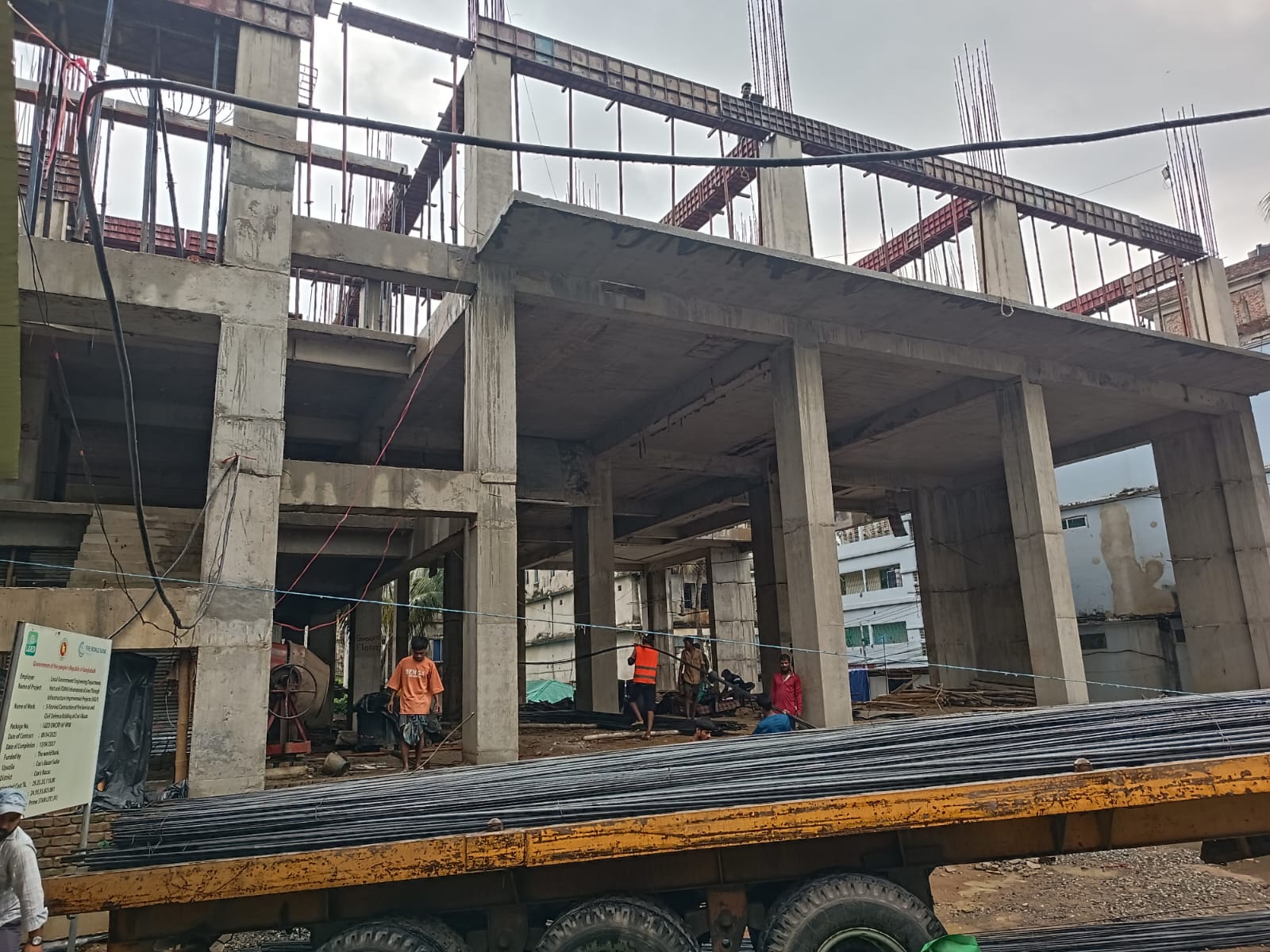
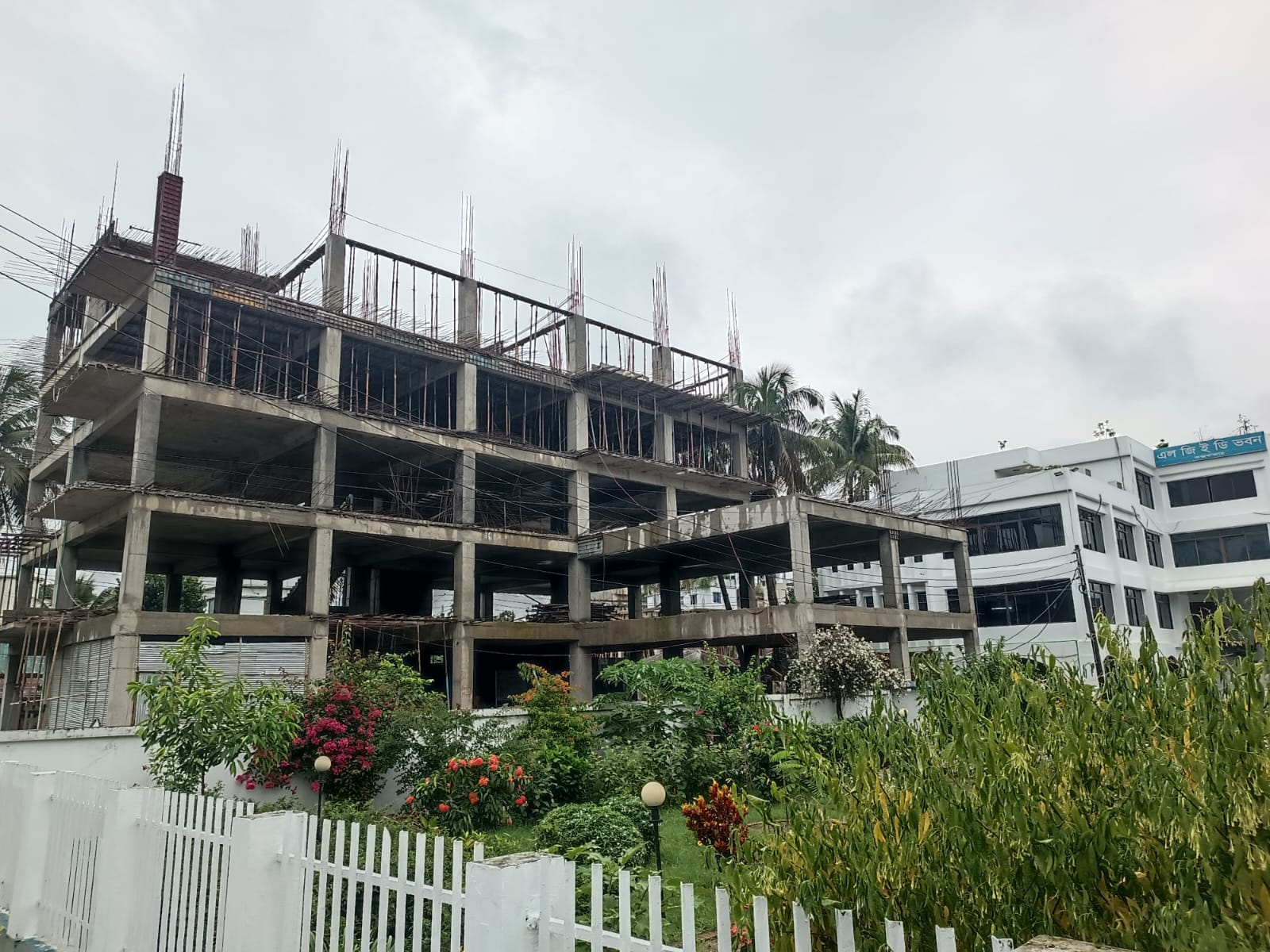
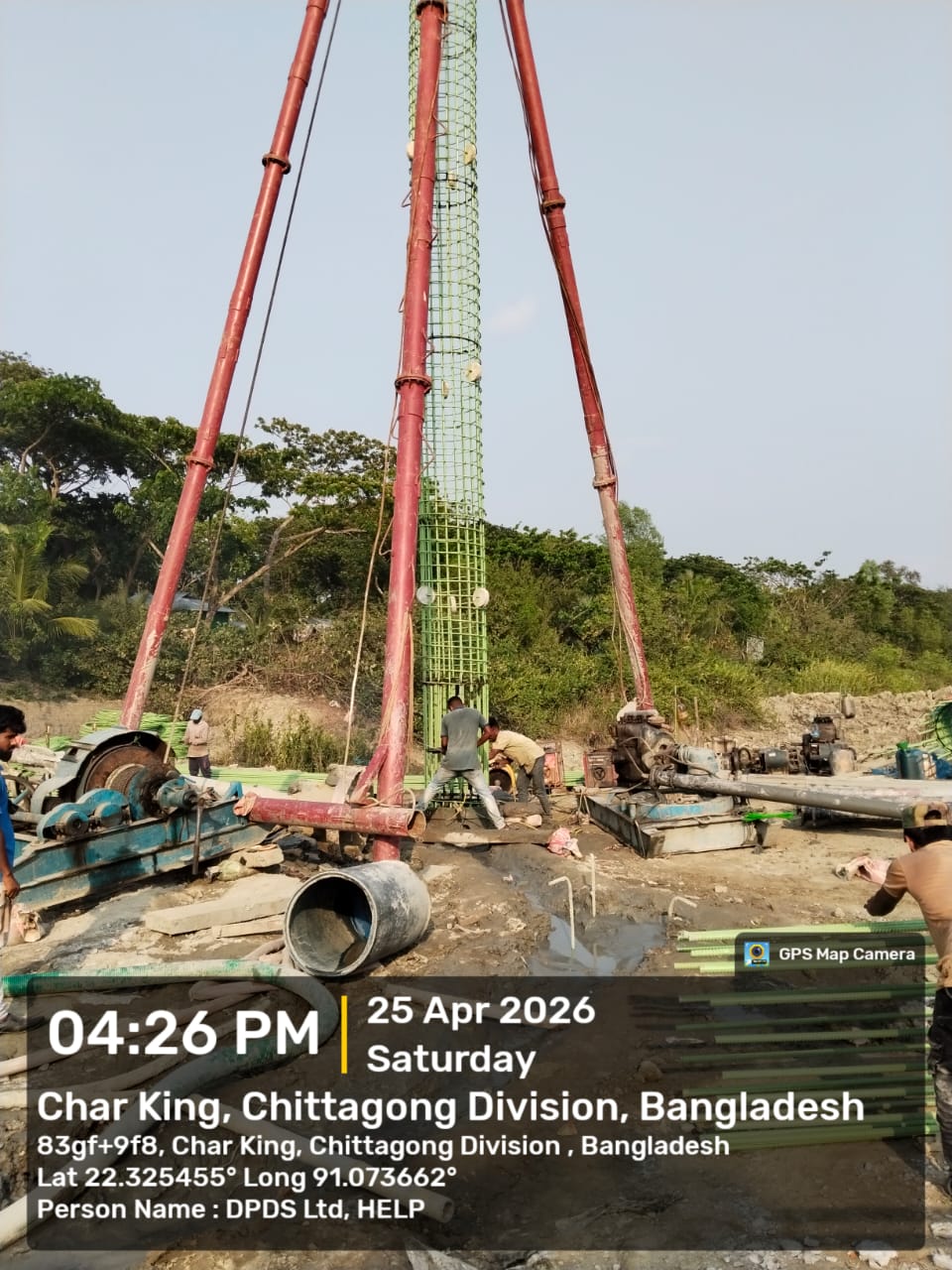
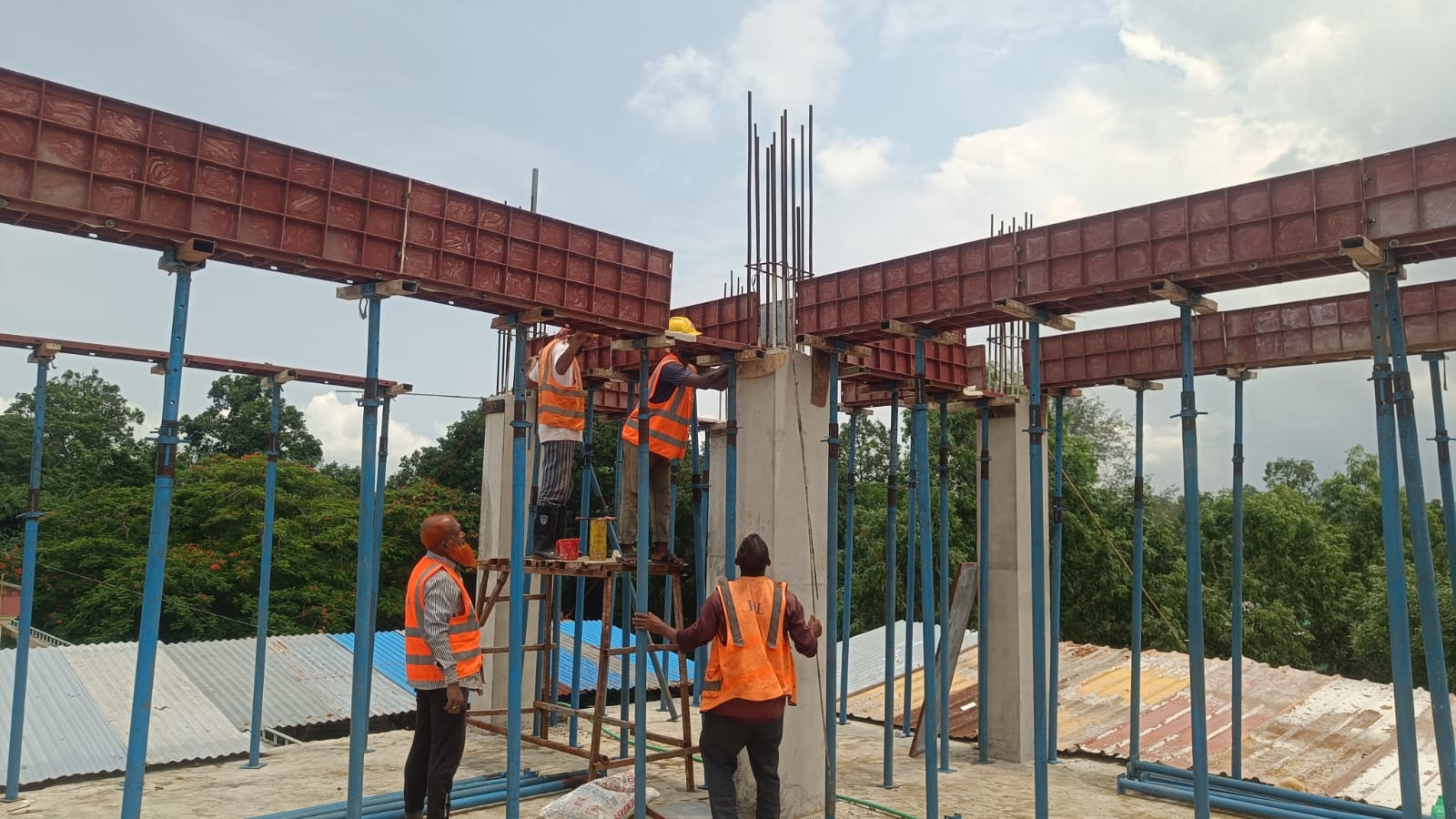
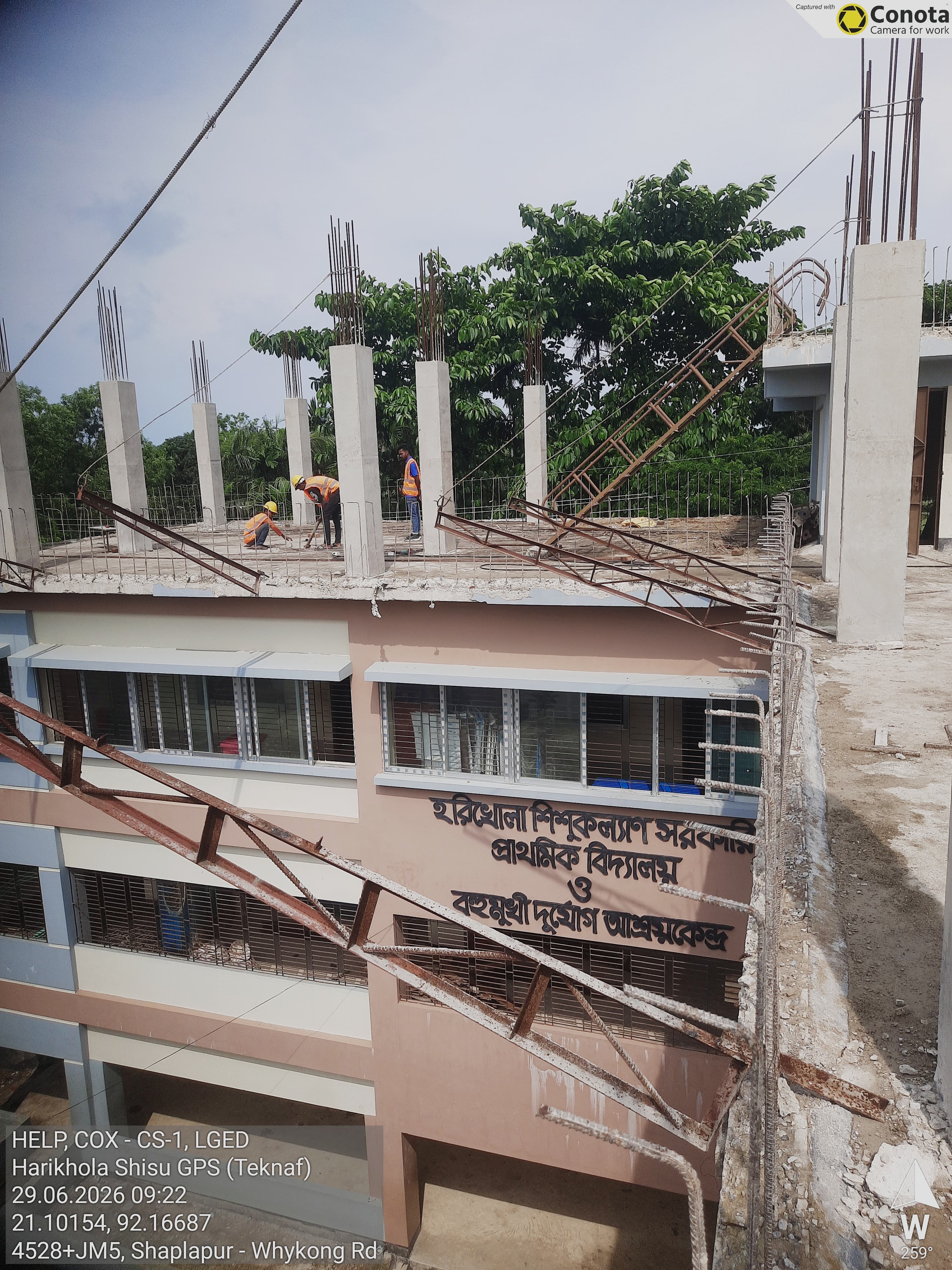
HELP project site works
FIG. 01 — Field progress, active package site
Bill of quantities — LGED component

Scope of physical works under supervision

Every line below is a package tracked in this platform — from procurement status through to construction progress and safeguard compliance.

01
Multipurpose Shelters
New construction and capacity enhancement of existing disaster shelters
5 new · 70 enhanced
02
Bridges, Landing Stages & Cold Storage
Construction of river crossings and post-harvest cold storage facilities
Multiple sites
03
Rural Roads
Improvement, widening and strengthening of rural road networks
213 km
04
Hat-Bazar Improvement
Upgrading rural market infrastructure
6 hat-bazars
05
Solar Street Lighting
Supply and installation of solar streetlights
2,000 units

Design, structural, electro-mechanical and safeguard documentation for each package is prepared and supervised under the Design & Supervision consultancy, financed by the World Bank over a 48-month assignment.

Project structure

Four components, one resilience objective

C1

Resilient WASH

Water, sanitation and hygiene infrastructure for host and DRP communities.

C2

Climate-Resilient Infrastructure & Energy

Rural infrastructure, road improvement and renewable energy — the packages tracked in this platform.

C3

Institutional Strengthening

Capacity building, community awareness, and technology-driven monitoring & evaluation.

C4

Contingent Emergency Response

Rapid reallocation of funds in the event of an eligible crisis or disaster.

The management platform

Built for the people running the project, camp to Head Office

Field data via mobile

Field officers submit daily site progress, photos and status updates through the HELP Field App, built in Flutter.

Review & feedback loop

Head Office reviews each submission with photo-level feedback, and can reopen entries that need rework.

Monthly, quarterly & daily reports

Overall progress, procurement status, IPC, EOT, and E&S compliance reports, generated straight from field data.

Environmental & social safeguards

ESMP, OHS, GRM and Gender Action Plan compliance tracked package by package, month by month.

Role-based access

Permissions scoped to district, role and package — from field officer to PIU management.

District & package tracking

Every package, sub-package and task organized by district, procurement status and implementation stage.

Ready to check today's progress?

Log in to review field submissions, generate reports, and track packages across every district.

Log in to HELP PMU